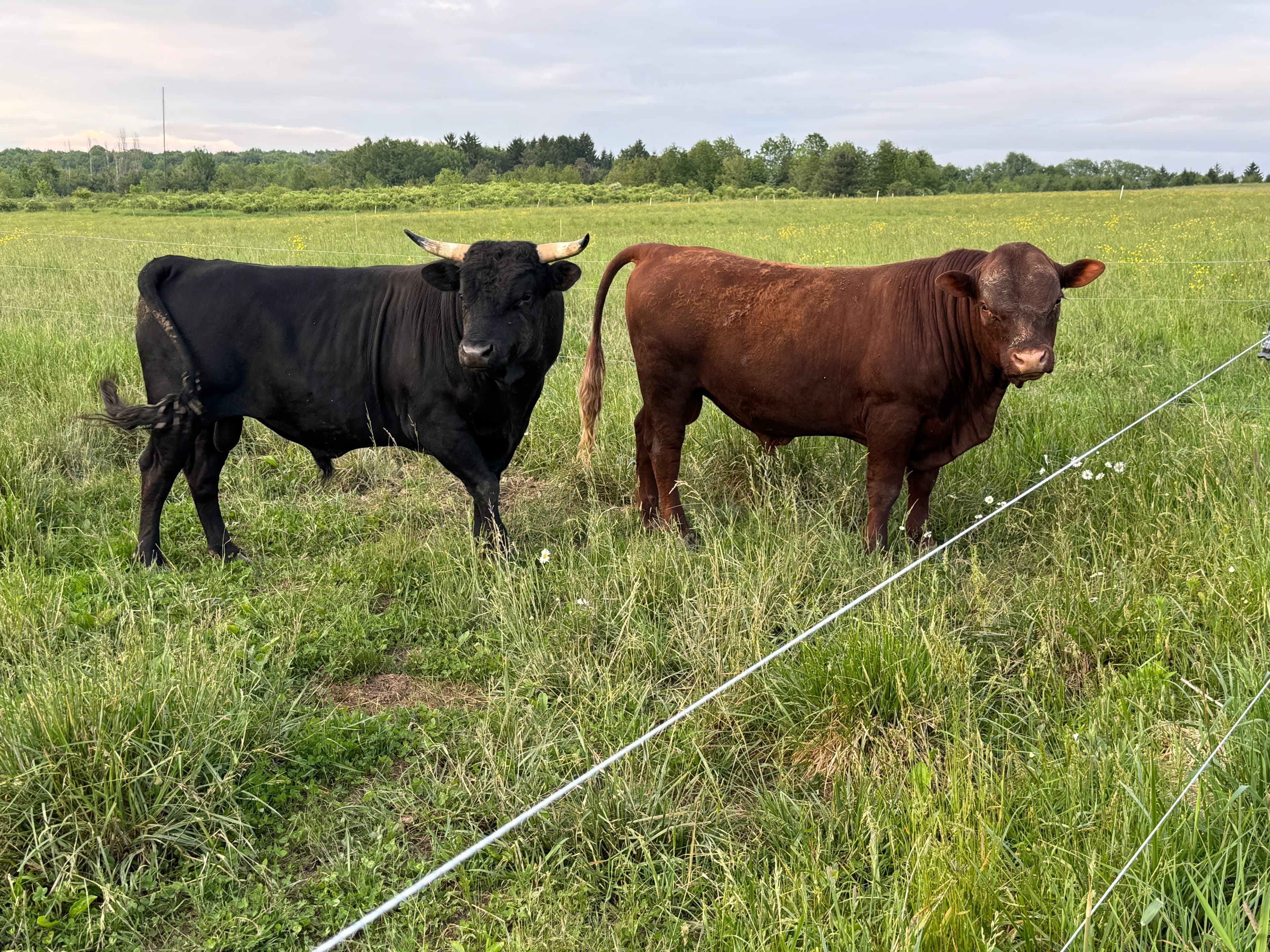
Regenerative agriculture is more than a farming method — it is a philosophy that works with nature to produce food while actively healing the land. Here in Northwest Pennsylvania, a growing number of farms are adopting regenerative practices, and the results are remarkable. Healthier soil, cleaner water, more biodiversity, and better food for families across the region.
What Is Regenerative Agriculture?
At its core, regenerative agriculture focuses on building soil health. Healthy soil is the foundation of everything — it grows more nutritious grass, supports diverse ecosystems, retains water, and sequesters carbon from the atmosphere. Unlike conventional agriculture, which often depletes the soil over time through monoculture cropping and heavy chemical use, regenerative farming actually improves the land with every season.
The key principles include:
Minimize soil disturbance. Avoiding tillage whenever possible keeps the soil structure intact and protects the microorganisms that make soil alive and productive.
Keep the soil covered. Living plants or residue on the soil surface protect against erosion, retain moisture, and feed soil biology. Bare soil is dead soil.
Maximize plant diversity. Diverse pastures with multiple grass and plant species create resilient ecosystems that support insects, birds, and soil life.
Integrate livestock. Animals are a critical part of the regenerative cycle. Their grazing stimulates plant growth, their manure fertilizes the soil naturally, and their movement (when managed properly) mimics the natural patterns of wild herds.
How We Practice Regenerative Farming at Deer Run Acres
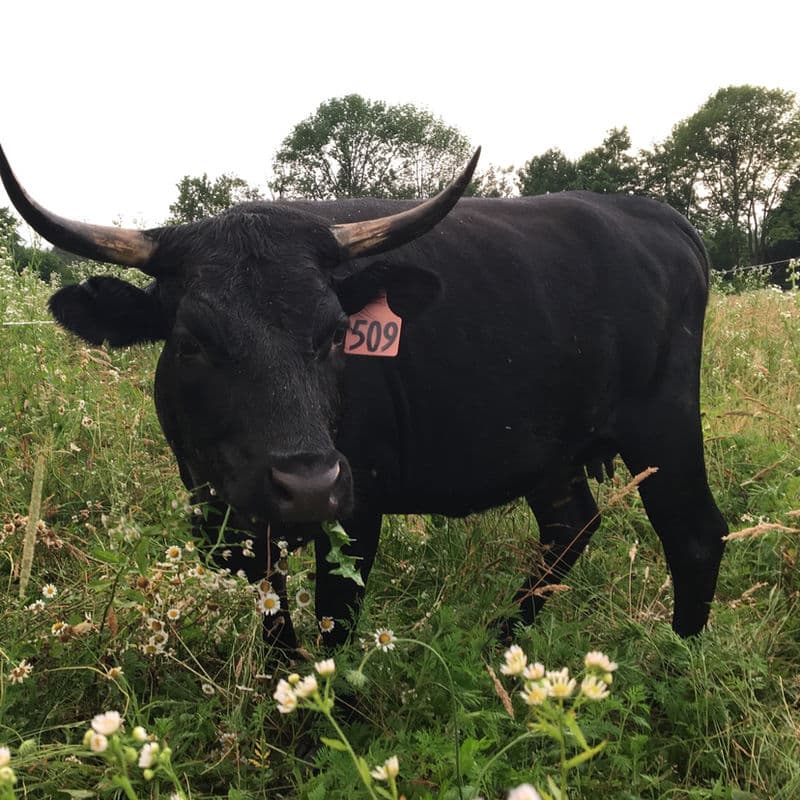
At Deer Run Acres in Edinboro, PA, regenerative agriculture is the foundation of everything we do. Our primary tool is managed rotational grazing. We move our cattle to fresh pasture regularly — sometimes daily — using portable electric fencing. This means the cattle never overgraze any one area, and the pasture has time to fully recover before the animals return.
The result is a self-reinforcing cycle. The cattle graze the grass, stimulating new growth. Their manure feeds the soil biology. The soil biology breaks down the manure and makes nutrients available to the plants. The plants grow back thicker and more nutritious than before.
We also integrate multiple animal species. Our cattle graze first, followed by our chickens in our mobile Egg Mobile. The chickens scratch through the cattle manure, spreading it evenly, eating parasites and fly larvae, and adding their own nitrogen-rich manure. This multi-species approach dramatically accelerates soil improvement.
Why It Matters for Northwest Pennsylvania
Our region has a long agricultural history, but decades of conventional farming have left many soils depleted. Regenerative practices offer a path to restore that productivity — and then some.
The benefits extend beyond the farm gate. Healthy soils absorb and filter rainwater, reducing runoff and improving water quality in our local creeks, rivers, and Lake Erie. Diverse pastures provide habitat for pollinators, songbirds, and other wildlife. And food grown in healthy soil is more nutrient-dense, which means better nutrition for the families who eat it.
For a region that prides itself on its natural beauty and outdoor heritage, regenerative agriculture is a natural fit. It aligns farming with the health of the land rather than working against it.
The Food You Eat Reflects How It Was Raised
When cattle spend their lives on regenerative pasture eating diverse grasses and forages, the quality of their meat reflects that lifestyle. Our grass-fed beef is higher in omega-3 fatty acids, conjugated linoleic acid (CLA), and vitamins A and E compared to conventionally raised beef.
The same principle applies to our pasture-raised pork and eggs. Animals that eat what they were biologically designed to eat, living in environments where they can express natural behaviors, produce food that is fundamentally different from factory-farmed products.
Getting Involved
Whether you are a farmer interested in transitioning to regenerative practices, a landowner curious about what is possible on your property, or a family that wants to support regenerative agriculture with your food purchases, there are ways to get involved.
At Deer Run Acres, we offer regenerative agriculture consulting for farmers and landowners, as well as farm tours where you can see our practices in action. And of course, every time you choose our grass-fed beef, pasture-raised pork, or farm-fresh eggs, you are directly supporting regenerative agriculture in Northwest Pennsylvania.
Caleb Schenk
Owner and farmer at Deer Run Acres, a regenerative family farm in Edinboro, PA producing the healthiest food through sustainable practices.