If you have ever stood at a meat counter or browsed a farmer's market wondering what really makes grass-fed beef different from grain-fed, you are not alone. As a regenerative farmer here in Edinboro, PA, it is one of the questions I hear most often from families across the Erie area. The short answer is: the difference is significant, and it starts with what the animal eats every single day of its life.
What Does "Grass-Fed" Actually Mean?
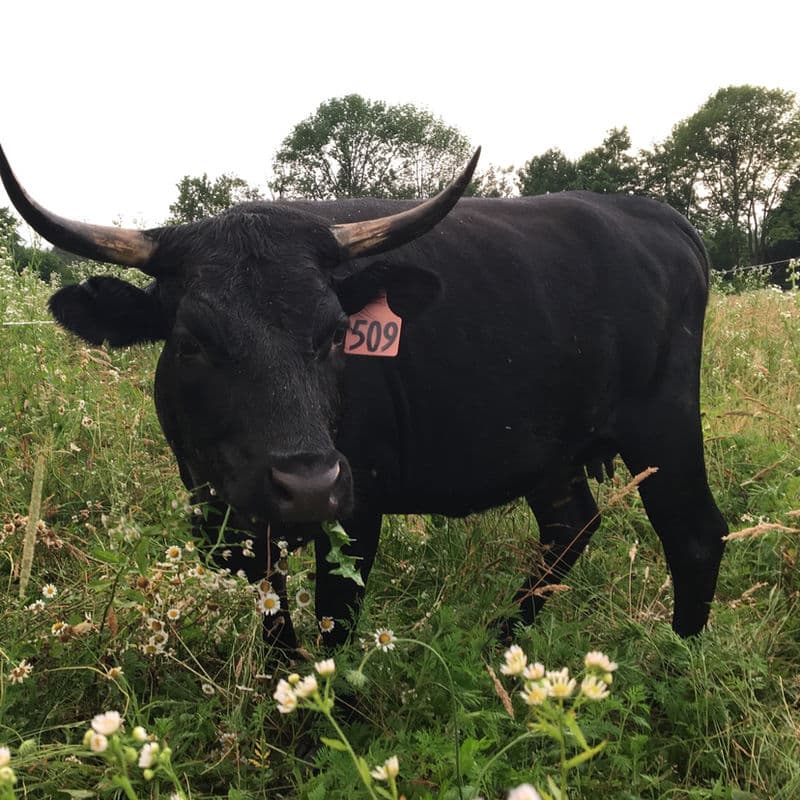
The term "grass-fed" should mean that the animal ate grass and forage for its entire life. However, labeling can be misleading. Some beef labeled "grass-fed" was actually started on grass but finished on grain in a feedlot for the last several months. This is called "grain-finished." At Deer Run Acres, our cattle are 100% grass-fed AND grass-finished. They never eat grain, corn, or soy. They eat grass, hay, and forage from the day they arrive until the day they are processed.
This distinction matters because the finishing period is when many of the nutritional benefits of grass-fed beef are either preserved or lost. An animal that spends its last 90-120 days in a feedlot eating corn will have a significantly different fatty acid profile than one that grazed on pasture its whole life.
The Nutritional Differences
Research consistently shows that 100% grass-fed beef offers meaningful nutritional advantages. Grass-fed beef is higher in omega-3 fatty acids, the same healthy fats found in salmon and other cold-water fish. While beef is not going to replace fish as your primary omega-3 source, the ratio of omega-6 to omega-3 fats in grass-fed beef is significantly better than in grain-fed beef.
Grass-fed beef is also higher in conjugated linoleic acid (CLA), a fatty acid that has been studied for its potential anti-inflammatory and immune-supporting properties. Studies show grass-fed beef can contain two to three times more CLA than grain-fed beef.
Beyond fats, grass-fed beef contains higher levels of vitamins A and E, both powerful antioxidants. It also tends to be leaner overall, which means fewer total calories per serving while still delivering excellent protein.
How Taste Compares
This is where personal preference comes in. Grain-fed beef is known for heavy marbling and a rich, buttery flavor that comes from the intramuscular fat developed during grain finishing. Grass-fed beef has a different flavor profile — many people describe it as more robust, earthy, and "beefy." It is leaner, which means cooking methods matter more.
The key to great grass-fed beef is not overcooking it. Because it is leaner, it cooks faster and benefits from lower temperatures and shorter cook times. Many of our customers tell us that once they learn to cook grass-fed properly, they never go back to grain-fed.
The Environmental Factor
How cattle are raised has a direct impact on the environment. At Deer Run Acres, we practice regenerative agriculture, which means our cattle are part of a system that actually improves the land. Through rotational grazing, our cattle are moved to fresh pasture regularly. This allows the grass to recover, builds soil organic matter, increases water retention, and sequesters carbon.
Conventional feedlot operations, by contrast, concentrate thousands of animals in confined spaces, creating waste management challenges and relying on monoculture corn and soy crops that deplete soil health.
When you choose grass-fed beef from a regenerative farm, you are supporting a food system that works with nature rather than against it.
Why Erie Families Are Making the Switch
Across Erie, Pittsburgh, Cleveland, and Buffalo, we are seeing more families choose grass-fed beef. The reasons are personal — some want cleaner nutrition for their kids, others care about animal welfare, and many want to support local agriculture. Whatever the motivation, the result is the same: healthier food, healthier land, and a stronger local food system.
If you are ready to taste the difference, we invite you to try 100% grass-fed beef from Deer Run Acres. We offer quarter, half, and whole beef options, and we are happy to answer any questions about our farming practices.
Caleb Schenk
Owner and farmer at Deer Run Acres, a regenerative family farm in Edinboro, PA producing the healthiest food through sustainable practices.